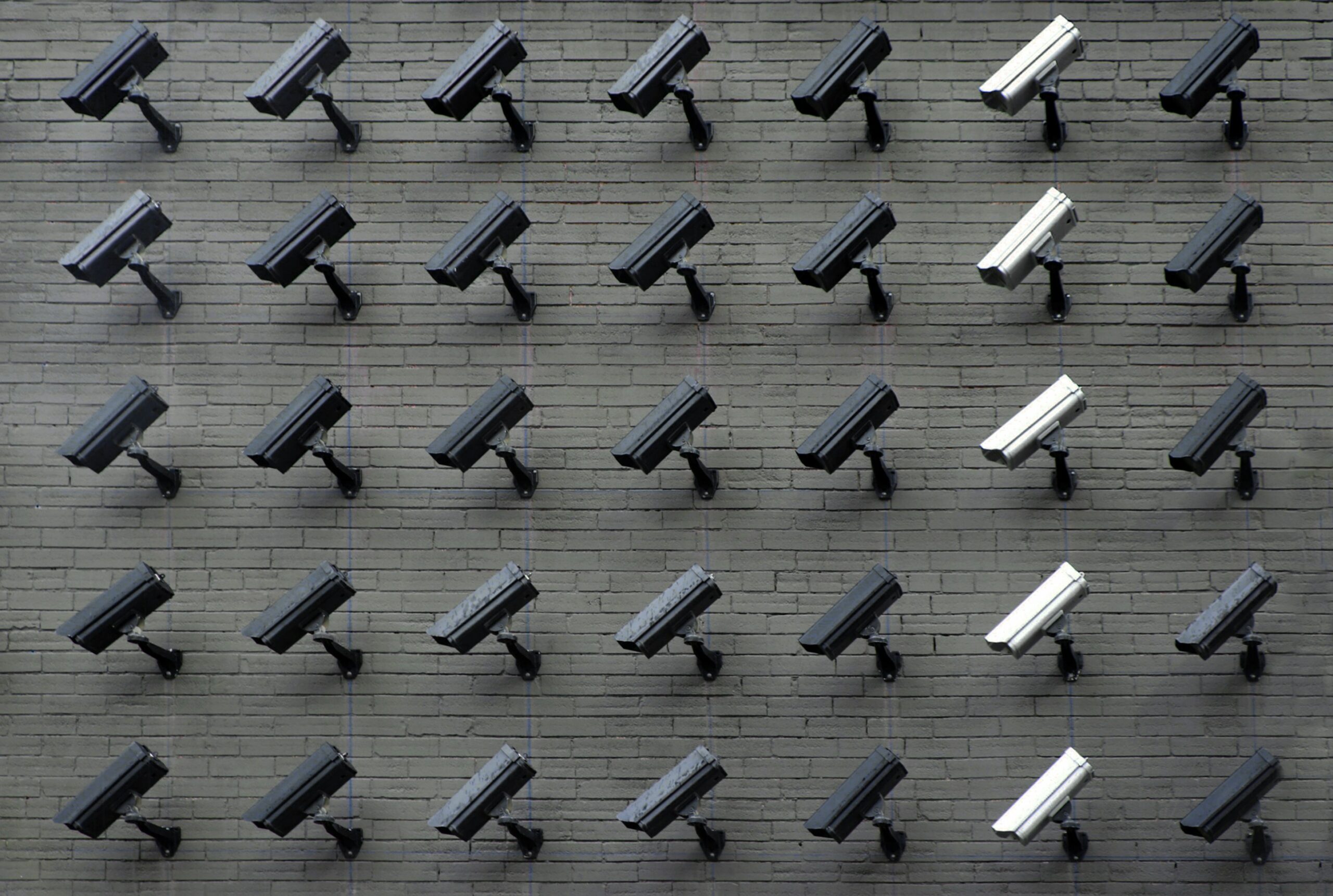

We all know about the United States of America’s undercover police, the FBI or Federal Bureau of Investigation. But how many Canadians can say they know the same about our own investigative division, CSIS?
Founded in 1984 after the RCMP was found to be conducting illegal operations, including break-ins and surveillance without warrants, the Canadian Security Intelligence Service serves as Canada’s primary domestic intelligence agency. Currently directed by Daniel Rogers, they investigate threats such as terrorism, extreme violence, espionage, foreign interference, cyber threats, and subversion (the act of undermining a government’s power). They report to the Minister of Public Safety, currently headed by Gary Anandasangaree since 2025.
Even though CSIS is our domestic investigative agency, there are a few major things that they cannot do, the most notable being to arrest, lay charges, or detain perpetrators. To get around this, they often work very closely with the RCMP, Canada’s national police force.
HOW DO THEY COLLECT INTELLIGENCE
There are multiple ways that CSIS can and does collect data, including, but not limited to,
- Human sources (interviews, tips)
- Electronic surveillance (could be enhanced with the addition of Bill C-22)
- Public Information
- Partner Agencies in other nations, such as MI5 in the United Kingdom
OVERSIGHT
The intelligence commissioner, currently Simon Noël, must approve certain surveillance activities proposed by CSIS for anything to come to fruition. In addition to this, the federal court must also issue warrants for more intrusive surveillance.
At the end of each year, CSIS publishes an annual public report; however, it is public knowledge that the majority of what they do is hidden.
Something key to note is that if Bill C-22 is passed, and companies are forced to retain private consumer metadata for at least a year, your data may not stay in Canada. CSIS routinely shares intelligence with partner agencies around the world, and more data on Canadians simply means more data that can cross borders.
CSIS has been quietly operating since 1984, and most Canadians will never interact with them. That’s by design. But in an era where your digital footprint grows every day, knowing who can access it and what they can do with it matters more than ever.
