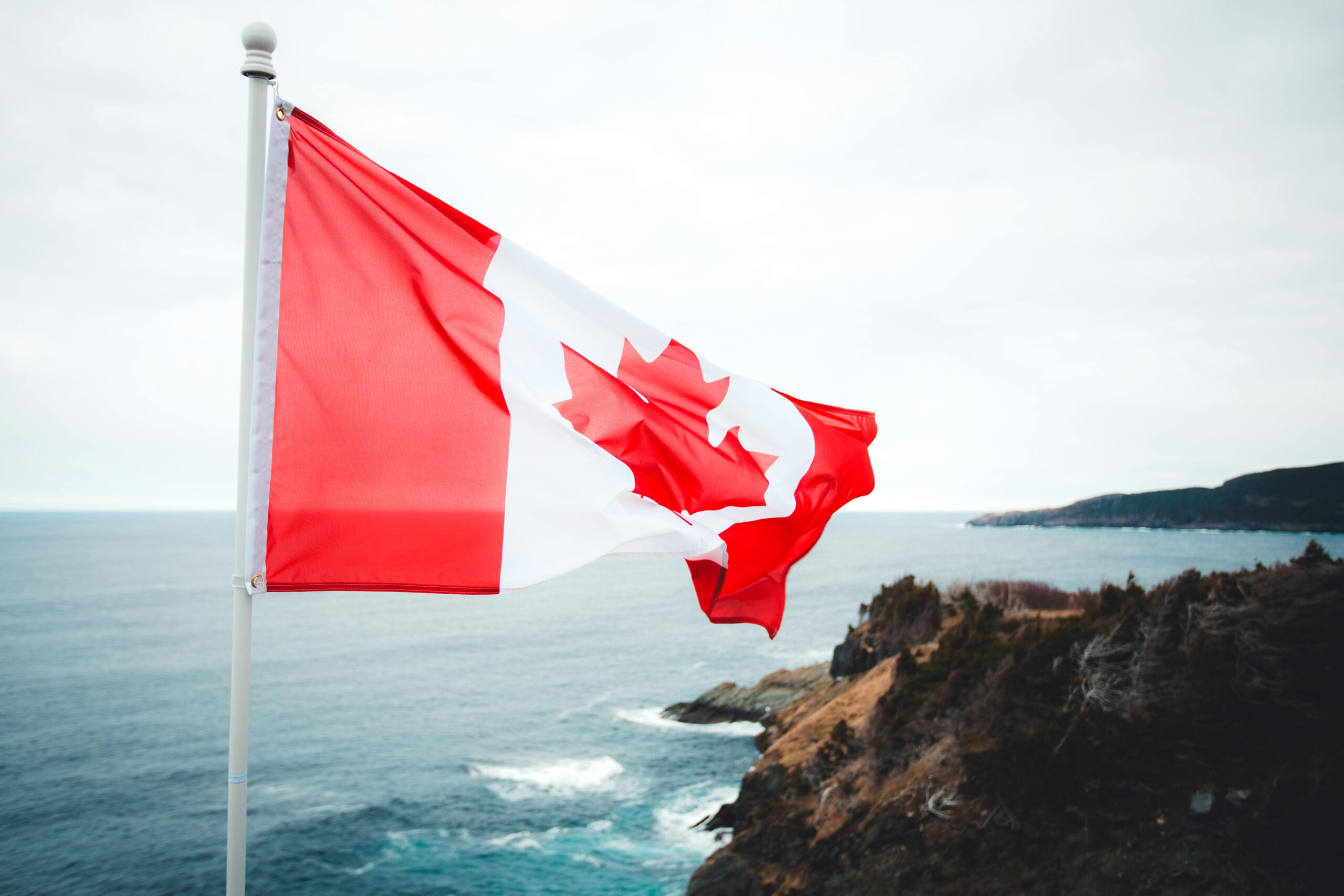

When important topics are widely debated, people naturally become more drawn to politics to find out whether their beliefs are actually being represented. Canada is no exception — the 2025 federal election saw a voter turnout of 69.7%, the highest since 1993, according to CTV News. But voting is just one way to engage.
For those who want to go further, the question becomes: how do you actually get into Canadian politics?
THE BASICS
There are 3 levels of Canadian politics: Municipal, Provincial, and Federal. Municipal governments represent cities, provincial governments represent provinces, and the federal government represents the country as a whole.
At the federal level, elected representatives are called Members of Parliament, or MPs. According to the House of Commons, Canada has 343 electoral districts, which correspond to 343 seats in the House of Commons: the elected chamber of Canada’s Parliament, where MPs vote and debate on legislation.
Now you might be asking yourself what the difference between a municipal government and a member of parliament is, since they both represent a geographic area within a province. The key difference here is their jurisdiction, or what they are actually accountable for. Your mayor covers local issues such as garbage, public transit and parks, whereas your MP covers significantly different issues such as national defence, immigration, criminal law, income tax, etc.
Also note that ridings are based on population, with each one in Canada roughly housing 108,000 people, differing greatly from cities, as your city could be part of two different ridings at the same time.
STEP ONE: JOIN A PARTY
There are 5 main federal parties in Canada
- Liberal
- Conservative
- NDP
- Green
- Bloc Québécois
To join these parties, you must pay a membership fee. These range from $0 to $25, with the Liberal party representing the $0 membership fee. You must also be a Canadian citizen or have permanent residence; however, to actually run, you must be a Canadian citizen. Remember to stay active in your local riding. This is the way to build up relationships to help with your nomination.
STEP TWO: WIN A NOMINATION
Before you can even run in the election, you must first win the “mini election” inside your own party. Through this, they will decide who will represent the party as a candidate member of parliament in your riding.
To even get on the ballot for this, you will need nomination signatures from other members in your riding.
It is important to note that the party leader can override the local ballots by choosing a candidate themselves.
When choosing a riding to break into, try not to choose one with a dominant leader who is already inside your party. As a result, there is significantly less incentive to give you a chance to replace them. Hyper-competitive ridings are much easier to break into, since the party is always looking for a better chance to win.
STEP 3: RUN IN THE ELECTION
Next, you will have to run against the other parties in your riding, going through a similar process to when you ran inside your riding.
This time, you will have to campaign significantly more. This includes town hall meetings, public debates and various advertising campaigns. You will also need to have a campaign manager to ensure a certain level of success.
A significant roadblock in this process will be funding. The Canada Elections Act imposes strict limits for ridings, as well as the fact that individuals are limited to $1,750 per year to a party and $1,750 per year to a candidate. This can make acquiring funding difficult.
Running to be any political figurehead is difficult; I won’t sugarcoat it. However, it isn’t impossible. People often believe that they have no shot at something like this, but digging deeper into the process, we can see that the system is a lot more open than most might understand it to be, and that truly anything can happen.
